Entry · Ref OV3ALMWX
How to Choose the Right Desert ATV Ride in Dubai
- Posted
- 2026-11-28
- Last amended
- 2026-11-28
- Account
- @atvdubaidesertspace
Choosing an ATV for the Dubai desert is less about picking the loudest machine and more about matching the ride to your experience, the terrain and the kind of day you want. Desert driving asks for balance, patience and respect for changing sand. A sensible choice makes the difference between a smooth outing and a tiring one.
Start with the rider, not the vehicle
Begin by being honest about who will ride. An ATV is not a bicycle with an engine. It has weight, torque and a wide footprint, and it reacts differently on soft sand than on paved ground. If most riders are new to this, choose a machine that is easy to control at low speed and does not surge suddenly when the throttle is pressed.
Age, height and confidence all matter. A rider who can reach the controls comfortably will sit in a stable position and react calmly. Someone stretched onto a seat or leaning forward to steer will tire quickly. If children or younger riders are part of the group, look for arrangements designed for them rather than adapting a full size vehicle on the spot.
Physical condition also plays a part. Desert riding uses the legs, arms and core more than many people expect. Steering over rippled sand, leaning through turns and staying alert to other riders can be demanding. Choose a pace that leaves enough energy for the whole ride, not just the first few minutes.
Decide what kind of ride you want
Before comparing machines, decide what you want from the experience. A gentle ride across open desert suits riders who want space, photos and a calm pace. A more active ride may involve dunes, turns and longer stretches of uneven sand. These are different tasks, and the right ATV depends on that purpose.
Think about the group as well. Mixed groups often need a slower overall pace so that every rider stays comfortable. A small group of experienced riders may want more freedom, but that still requires clear boundaries and steady spacing. If the day includes other activities, remember that a long ATV session can drain attention before lunch or an evening plan.
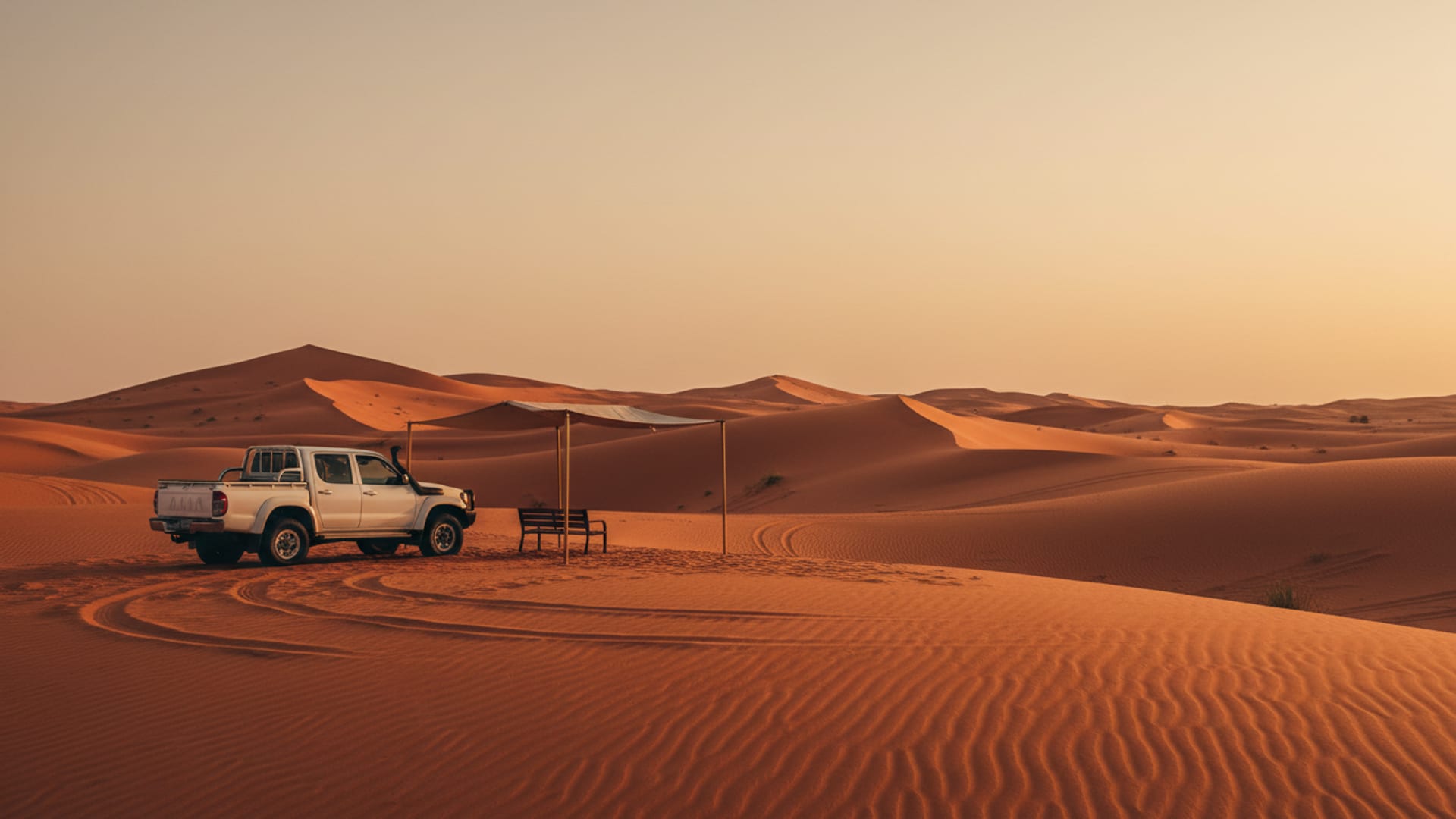
Time of day affects the choice too. Sand feels different under the midday sun than it does in cooler light. Heat can make riders tire faster, and soft surfaces can feel harder to read when the light is flat. A shorter, simpler ride is often the better choice when the conditions are harsh.
Know the main ATV types
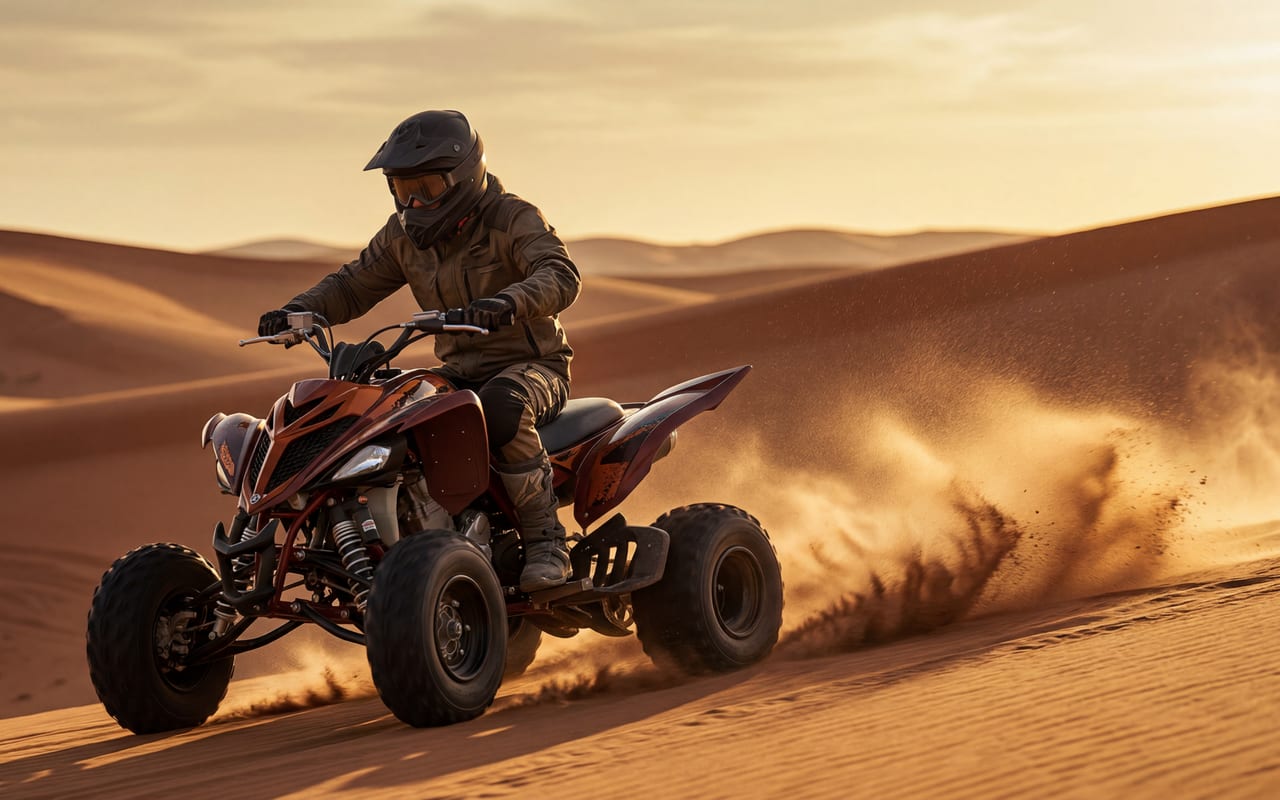
Most riders choosing an atv dubai desert outing will come across a few broad categories. Utility ATVs are usually heavier and more stable, with a straightforward riding position. They can feel reassuring on uneven ground, but their weight needs respect, especially in tight turns or deep sand. Sport oriented ATVs tend to be lighter and quicker to respond. They can be fun for confident riders, yet they may feel too lively for beginners.
Automatic transmission is often easier for first timers because it removes gear changes from the equation. That lets the rider focus on steering, body position and the surface ahead. Manual transmission gives more control to experienced riders who know how to choose gears for sand, but it adds another skill to manage.
Two wheel drive and four wheel drive also change the feel. On firm tracks, two wheel drive may be enough. On soft sand, four wheel drive can help the vehicle keep moving without excessive throttle. More drive can also add confidence, so it should still be paired with good judgement and a controlled speed.
If you are comparing options connected with ATV Dubai Desert, keep the decision grounded in rider ability and terrain rather than appearance alone. A machine that looks impressive is not automatically the best fit for a relaxed rider, and a modest looking ATV can be far easier to handle in the right setting.
Check the safety setup before committing
Safety should shape the decision from the start. Ask what protective equipment is provided and what you should bring. A helmet that fits properly is basic. Eye protection matters in dusty conditions, and gloves can help with grip and comfort. Long trousers and closed shoes are sensible because sand, brush and hot parts can all cause discomfort.
Pay attention to the briefing, route rules and hand signals. A good ride depends on everyone understanding when to slow down, how to keep distance and what to do if someone stops. Riders should never assume that open desert means there are no hazards. Hidden dips, rocks, firm ridges and other vehicles all require attention.
Do not treat safety gear as a formality. A helmet that shifts on the head, a loose strap or poor visibility can spoil the ride and increase risk. If something does not fit or feel secure, say so before setting off. It is far easier to fix a small issue at the start than to manage it out on the sand.
Ask practical questions before you book
Once the basic fit is clear, narrow the choice with practical questions. You want enough information to understand the ride, not a promise wrapped in vague words. Clear answers usually point to a better organised experience.
- Who is the ride suitable for, and are there rider requirements?
- What terrain is included, from firm desert tracks to softer dunes?
- How long is the session, and are breaks built into it?
- What safety equipment and briefing are provided?
- What happens if weather conditions change?
When researching options, a site such as atvdubaidesert.com can be a starting point for understanding how an outing is presented. Use that information alongside your own questions about rider ability, comfort and the kind of terrain you want to cover.
Be wary of vague answers. Phrases that suggest anyone can handle any machine without limits are not useful. A responsible choice takes experience, size, confidence and conditions into account. If the details are unclear, pause and ask again rather than filling the gaps with assumptions.
Match power to experience
Engine size is often treated as the main deciding factor, but it is only one part of the picture. More power can help in soft sand, yet it can also magnify mistakes. A beginner who panics and presses too much throttle may dig in, spin wheels or lose control. An experienced rider with good body position can manage a stronger ATV more smoothly.
The best match is usually the least powerful machine that still handles the chosen terrain comfortably. That approach leaves room to learn and reduces the chance of fatigue. It also encourages good technique, because the rider has to steer, look ahead and use momentum rather than rely on force.
For experienced riders, the decision shifts toward response, weight and drivetrain. A lighter vehicle may feel nimble over dunes, while a heavier one may feel planted on mixed ground. Neither is universally better. The useful question is whether the rider can control it at the speed and angle the terrain demands.
Read the route and conditions
Desert terrain changes over short distances. A route may begin with firm sand, then move into soft patches, low dunes or stony ground. Each surface asks for a different approach. Firm sand allows easier steering and braking. Soft sand needs steady momentum and gentle inputs. Dunes require awareness of slope, crests and what lies beyond them.
Ask how the route is selected and what happens if conditions are not suitable. Wind can blow sand across tracks, and heat can affect both riders and machines. A flexible plan is safer than one that continues regardless. Choose an option that treats changing conditions as part of the decision, not as an inconvenience to ignore.
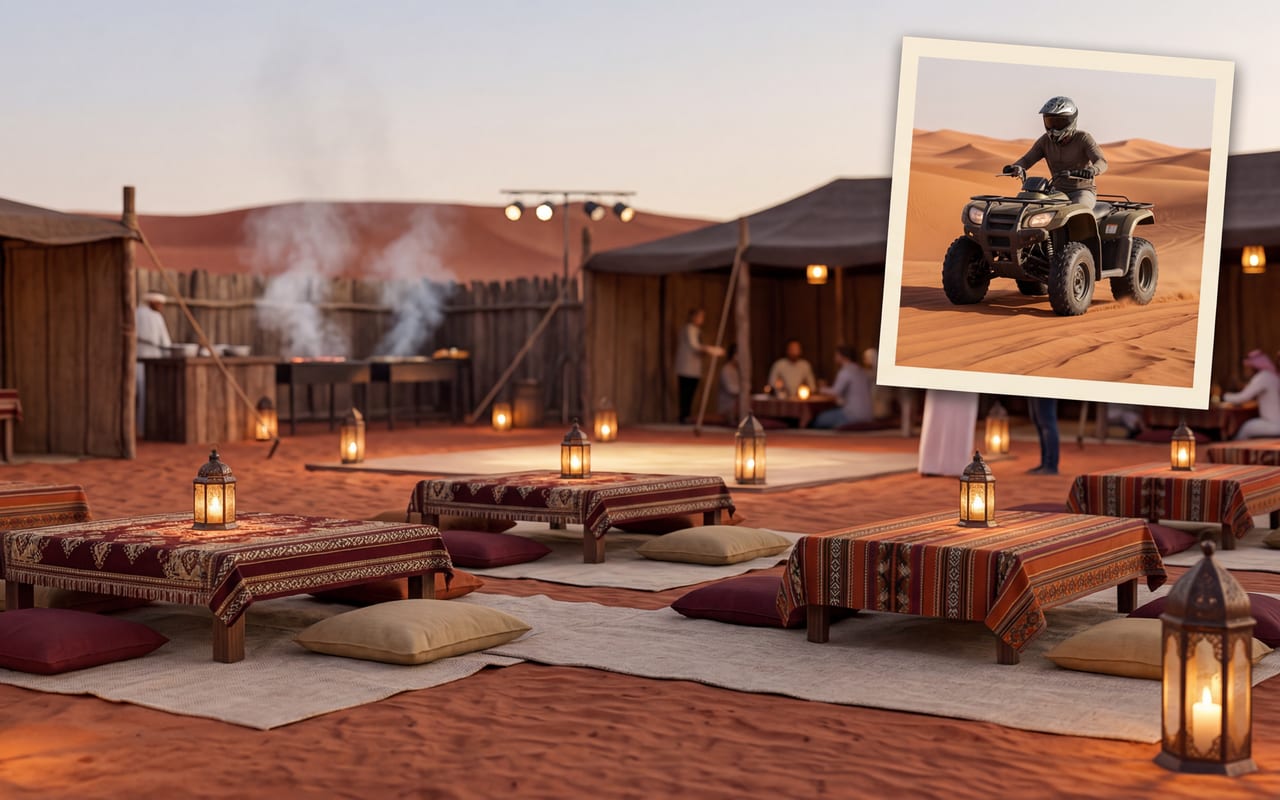
Also consider the riding area around you. Wide open space is different from a busy route with several vehicles. Spacing matters because an ATV can turn unexpectedly when a rider reacts to a bump or another vehicle. Clear rules help everyone relax and enjoy the ride.
Make the final choice with a clear head
By this point, the right ATV should look less like a single impressive model and more like a fit between several factors. Start with the rider. Add the terrain, the length of the session, the safety setup and the weather. Then compare the available machines against that picture.
A good final choice feels calm rather than rushed. The rider understands the controls, the route matches the ability level, and the safety arrangements are clear. If one part of that picture feels uncertain, it is better to simplify the ride than to push ahead. The desert rewards steady decisions.
When the details line up, the outing becomes easier to enjoy. You can focus on the shape of the dunes, the feel of the sand and the rhythm of the group instead of worrying whether the vehicle was the wrong match. Choosing well is not about chasing the biggest machine. It is about picking the ride that lets every rider stay in control from start to finish.